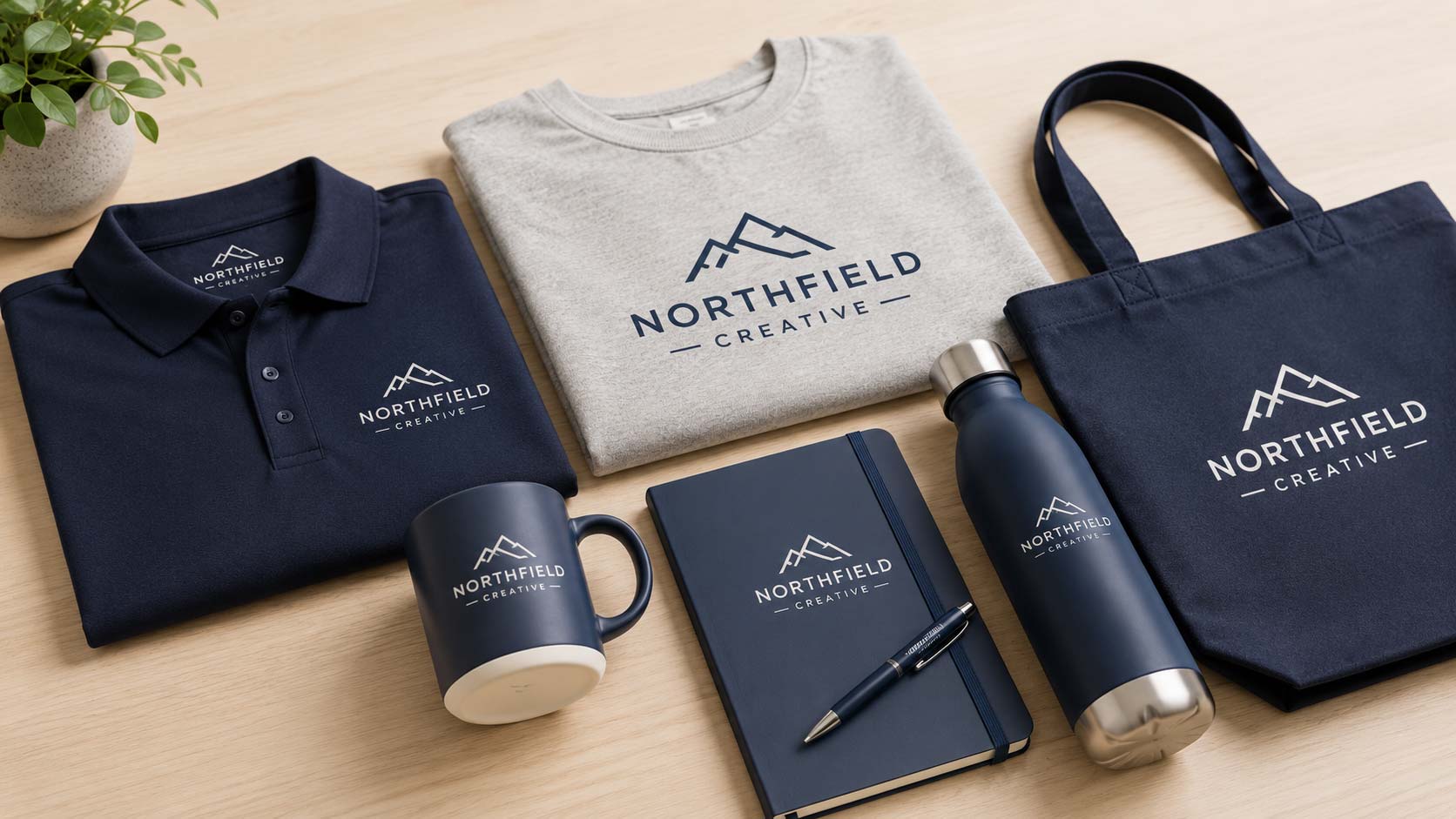
Branded Workwear & UK Tax: What Business Owners Should Know
For many UK businesses, branded workwear is purchased to create a professional image, improve brand recognition, and promote team identity. However...

⚠️ Important Disclaimer
This article is for general information purposes only and does not constitute financial or tax advice. Tax treatment depends on your individual business circumstances.
Before making any decisions or submitting claims, you should always seek advice from your accountant or a qualified tax professional to ensure full compliance with current HMRC rules.
Why Tax Treatment of Workwear Matters
For many UK businesses, branded workwear is purchased to create a professional image, improve brand recognition, and promote team identity. However, there is another good reason to invest in branded workwear and a common question we hear at The Logo Emporium is:
“Can branded workwear be treated as an allowable business expense?”
The answer depends on whether the clothing meets specific HMRC criteria.
The “Wholly and Exclusively” Rule
Under UK tax law, expenses must generally be incurred “wholly and exclusively for the purposes of the trade” to be deductible. When it comes to clothing, HMRC distinguishes between:
- Everyday clothing: Even if you only wear it for work (like a plain suit or black trousers), it is normally not allowable. HMRC argues these items provide "warmth and decency," creating a "duality of purpose" (work and private use).
- Recognisable uniforms: Clothing that clearly identifies the wearer as being "at work."
- Protective or specialist workwear: Required for health and safety.
When Branded Workwear Becomes Allowable
To move clothing from the "everyday" category into the "allowable" category, the branding must be permanent and conspicuous. Adding a logo effectively "breaks" the duality of purpose because the item is no longer suitable for private, everyday use.
A garment usually qualifies as an allowable expense when it:
- Forms part of a recognisable uniform.
- Features a permanent, non-removable logo (HMRC guidance states that removable badges or name tags do not turn ordinary clothes into a uniform).
- Is conspicuous—the branding must be clearly visible to the public.
- Clearly identifies the wearer as an employee of the business.
Example: An embroidered polo shirt or a heat-sealed branded jacket is generally allowable. A plain designer shirt with a tiny, tonal logo might be challenged if it could easily pass as high-street fashion.
Protective & Specialist Clothing
Items required for specific roles - such as high-visibility garments, safety boots, helmets, or flame-retardant wear—are typically treated as allowable business expenses. Where these items are necessary for the role and used solely for work, they are usually exempt from Benefit-in-Kind (BiK) tax for the employee as well.
VAT & Employee Benefits
For VAT-registered businesses, you can usually reclaim VAT on workwear purchased for business use. However, there are two extra "perks" to discuss with your accountant:
- The £50 Gift Rule: If you provide branded clothing to staff as a gift, it is usually VAT-neutral and tax-free for the employee, provided the total value of gifts to that person stays under £50 (inc. VAT) per year.
- Laundry Allowance: If your staff are responsible for cleaning their own branded uniforms, they may be eligible to claim a Flat Rate Job Expense (usually £60 per year) from HMRC to cover laundry costs.
Why Many Businesses Choose Branded Workwear
While tax efficiency is a bonus, most of our clients at The Logo Emporium choose branded gear for the practical benefits:
- Professionalism: Instant trust with customers.
- Visibility: Your team becomes a walking billboard.
- Consistency: A unified team look fosters a stronger company culture.
Final Thoughts
In the eyes of HMRC, the difference between a "personal wardrobe" and a "business expense" often comes down to the permanence and visibility of your logo.
Before making a decision or claim, always consult your tax adviser to ensure your specific setup complies with the latest guidance.
If you’re ready to ensure your team looks the part with high-quality, permanently branded gear, we are here to help.


.png)